
SEO and marketing for plumbers, from the burst pipe to the bathroom reno
SEO for plumbers is the work of getting your business found, and picked, for the plumbing jobs you actually want, in the suburbs you'll actually drive to. Emergency jobs go to whoever shows up first on a phone screen. Planned work goes to the plumber with the strongest reviews and the clearest website. We build your presence for both: which searches should make your phone ring, which jobs you'd rather not get at 2am, how the wrong calls get filtered out, and how the right ones are counted.

Why plumbing marketing is different
A burst pipe doesn't wait. The customer grabs their phone, searches for an emergency plumber, and calls one of the first names they see. If that's not you, the job is gone in minutes.
Planned work moves slower. Someone pricing a bathroom renovation or a hot water replacement will compare a few plumbers, read reviews and fill in a quote form when they're ready.
We run both lanes at once: visibility for urgent searches and pages for the bigger planned jobs. That's the difference between plumbing SEO and generic SEO. The pages, ads and reports are split by how urgent the job is, not just by keyword.
We're based on the Sunshine Coast, and this is the system we already run for plumbers and other urgent-callout trades.
The two lanes need different proof, too. An emergency caller checks distance, opening hours and the last few reviews in about the time it takes to dial. A hot water or renovation buyer reads further: what's included, which systems you install, whether you've done that kind of job nearby. So each lane gets its own pages, its own ads and its own line in the report.
What we run for plumbers
Google Business Profile
Your profile set up for emergency and general plumbing searches: a primary category that matches your main work, the hours you actually answer, and a service area instead of a home address, as [Google's Business Profile guidelines](https://support.google.com/business/answer/3038177?hl=en) ask. Ranking in Maps across more suburbs is its own job, covered on our [local SEO for plumbers](/geo-seo/plumbers/) page.
Suburb landing pages
Pages for the areas you genuinely work in, so a blocked drain search with a suburb attached lands on you instead of a directory. [Google's spam policies](https://developers.google.com/search/docs/essentials/spam-policies) name pages aimed at specific regions or cities that funnel people to one page as doorway abuse, so every page needs something true of that area: the jobs you do there, the homes you work on, photos from local jobs. If we can't write that, we don't build the page. See [when local landing pages deserve indexing](/resources/local-landing-pages/).
Google Ads for urgent work
Call-focused campaigns aimed at burst pipes and blocked drains. The searches where someone needs a plumber today. Each campaign goes live with the filters set out in the qualified calls section below, so the spend goes on jobs you'd actually take. Our [Google Ads management](/services/google-ads/) page covers how campaigns are built and reported.
Review growth
Emergency callers pick the plumber with recent, detailed reviews. We make asking for them part of your routine after every job. [Google's content policy for Maps](https://support.google.com/contributionpolicy/answer/7400114?hl=en) bans offering incentives for reviews and selectively asking only happy customers, so the routine asks every customer the same way, usually a text with your review link once the job's signed off, and every review gets a reply. More in [how to get more Google reviews](/resources/google-review-strategy/).
AI search visibility
People now ask ChatGPT and Google's AI results who to call. At the time of writing (October 2026), Google says there are no additional requirements or special optimisations needed to appear in AI Overviews or AI Mode; a page has to be indexed and eligible to show in Search with a snippet. So the work is groundwork: clear service pages, an accurate profile and business details that match everywhere they appear. Whether any AI product names you is its decision, and no one can guarantee it.
Call tracking
Every lead traced back to the page or ad that produced it, so you can see which suburbs and services make the phone ring. Google Ads can count calls from ads and calls to the number on your website as separate conversions, with a minimum call length so hang-ups and wrong numbers don't count. A job won days later can be imported back against the click or call that started it, which Google calls an offline conversion import.
Which plumbing searches go where
Each plumbing search belongs to a lane, and each lane is caught by a different asset: Maps and your profile for near-me searches, ads for jobs someone needs today, and pages for work people research first. The first planning job is matching the searches you want to the profile, page or ad that should catch them, then deciding what the next step is for that customer.
The Maps and suburb rows below are where local SEO for plumbers does its work; this page covers the whole system around them. The patterns are examples of how people phrase plumbing searches, not measured volumes. Your own wording comes from Search Console's Performance report, which lists the queries that showed your site, and from the search terms report once ads are running.
| Search pattern | Lane | Where it's caught | Next step for the customer |
|---|---|---|---|
| emergency plumber near me, plumber open now | Emergency | Maps and the Business Profile (local SEO), plus a call ad | Tap to call, with listed hours that match when you answer |
| burst pipe or blocked drain plus a suburb | Emergency | Call ad and the service page for that job | Call now, or a short form for anyone who can wait |
| hot water system replacement plus a suburb | Planned, often urgent | A hot water page covering the system types you install | Call or quote form asking system type and suburb |
| bathroom renovation plumber | Planned | A renovation plumbing page with real jobs and photos | Quote form asking scope, timing and suburb |
| why is my drain gurgling, how to fix a dripping tap | Research | A guide or FAQ on your site | Read first, call if it's beyond a DIY fix |
| your business name | Checking you out | Business Profile, website and reviews | Accurate details, licence number and recent reviews |
Qualified calls: keeping out the jobs you don't want
Qualified calls are the ones you'd actually take, and every filter below exists to raise their share. A plumber who's flat out with small maintenance jobs, or who doesn't do gas fitting or commercial work, loses time to every enquiry they turn down. So before any page or campaign goes live, we write down three things with you: the jobs you want more of, the jobs you won't take, and the suburbs you'll actually drive to.
Each filter then goes where it does the most good. Our lead qualification guide for plumbers covers the screening questions in more detail, and why Google Ads produce the wrong leads covers the ad side.
- Ad location settingsGoogle Ads can target people located in or regularly in your area, or also people who've shown interest in it. For call-out work we keep campaigns on people who are physically in the suburbs you'll travel to.
- Negative keywordsSearches for parts, DIY fixes, apprenticeships, services you don't offer or suburbs you don't cover go on the negative keyword list. The search terms report shows the real searches that triggered each ad, so new mismatches get caught early.
- Ad scheduleGoogle Ads' ad scheduling limits a campaign to the days and hours you choose. Urgent ads are set to the same after-hours times your Business Profile shows and the on-call phone covers, so the ad, the profile and the phone never disagree.
- Page wordingService pages say plainly what you do, what you don't, and roughly where you go, so the wrong caller rules themselves out before dialling.
- Form questionsQuote forms ask for job type, suburb and timing, so planned enquiries can be sorted before anyone books a visit.
- Monthly call reviewTracked calls are checked against job type and suburb, and the filters get tightened when the same mismatch keeps turning up.
SEO, Google Ads and Maps: what each one covers
SEO earns unpaid places in Google's results over time, Google Ads buys a place on the searches you choose, and Maps places come from your Business Profile. One results page can show you in all three, and each is earned differently.
Google says local results are based mainly on relevance, distance and prominence (how well-known a business is), and that there's no way to request or pay for a better local ranking. That's why Maps work and ads are planned separately, even though they run side by side.
Most plumbers end up using ads for urgent work and SEO for planned work, with the Business Profile serving both. Our guide to SEO versus Google Ads sets out the trade-offs in more depth, and Google Local Services Ads in Australia covers the pay-per-lead option in the last row.
| Channel | How it's earned | Where it suits a plumber | What it can't do |
|---|---|---|---|
| Google Ads (search and call ads) | Paid when someone clicks or calls | Emergency searches you want today, and testing which jobs convert | Keep bringing calls once the budget stops |
| Maps and the Business Profile | Relevance, distance and prominence; can't be bought | Near-me and suburb searches in both lanes | Reach far past your base, because distance counts |
| Organic SEO (service, suburb and guide pages) | Useful pages Google can index and rank | Planned work and research searches, and the groundwork AI answers draw on | Produce calls quickly on a new or thin site |
| Local Services Ads | Paid per lead, where Google offers it for the trade and area | Some call-out trades, if eligible | Be relied on before eligibility is checked for your area |
How an engagement usually runs
An engagement starts with tracking and your profile, then builds the emergency and planned lanes, then settles into a monthly review. The order matters: fixing measurement first means every later change can be checked against a clean starting point.
- AuditWe check your Business Profile, website, any existing ads, reviews and tracking, and list what's holding each lane back. For Queensland plumbers we also check licence details: the QBCC's advertising rules say ads must carry the name you're licensed under and your licence number, including on websites, social media pages and online directories, and that an ad with only a trading name will most likely be non-compliant.
- Fix the foundationsProfile categories, hours and service area corrected, call tracking and conversion counting set up, and the slow or confusing parts of the site fixed.
- Build the lanesCall ads for the emergency jobs you want, then service and suburb pages for planned work, written from the questions your customers actually ask.
- Set the review routineA simple ask after every job, built into how your team already finishes up.
- Measure and refineA monthly look at which searches, pages and suburbs produced calls you'd take, and changes made from that, not from rankings alone.

A hypothetical week: one emergency call, one planned job
Say a plumbing business in Caloundra has its profile, call ads and a hot water page in place. This example is made up to show how the pieces connect. It isn't a client result.
Sunday, 9pm. A flexi hose under a kitchen sink bursts in Golden Beach. The owner searches for an emergency plumber on their phone. The plumber's profile shows after-hours times that match the on-call phone, the latest reviews mention after-hours jobs, and the call button rings straight through. The call shows up in the profile's performance report under calls, and the job is logged as emergency work from Maps.
Tuesday to Friday. A couple in Pelican Waters with an ageing electric hot water system start comparing replacements on a laptop. They search for hot water replacement with their suburb, read the plumber's hot water page (the system types installed, what a changeover involves, what happens to the old unit), check the reviews, and fill in the quote form on Friday night with the system type and suburb. That form is counted as a planned-work lead from organic search.
In the monthly report those two enquiries sit in different rows. That split is what tells the plumber whether to put more into after-hours ads or more into planned-work pages next month. Business Profile performance adds calls, website clicks, direction requests and the search terms people used to find the profile, and our guide to call tracking and conversion reconciliation explains how those counts are matched up.
How locals search for a plumber
Emergency searches happen on a phone, often outside business hours, and almost always include "near me" or a suburb name. The caller rarely scrolls past the first few results in Maps.
Planned jobs look different. Hot water replacements and renovation plumbing get researched over days or weeks, usually on a bigger screen, with reviews and photos doing the convincing.
On the Sunshine Coast, that means holding a Maps position in every suburb you service and having pages that answer the slower questions too. We map your strategy to both.
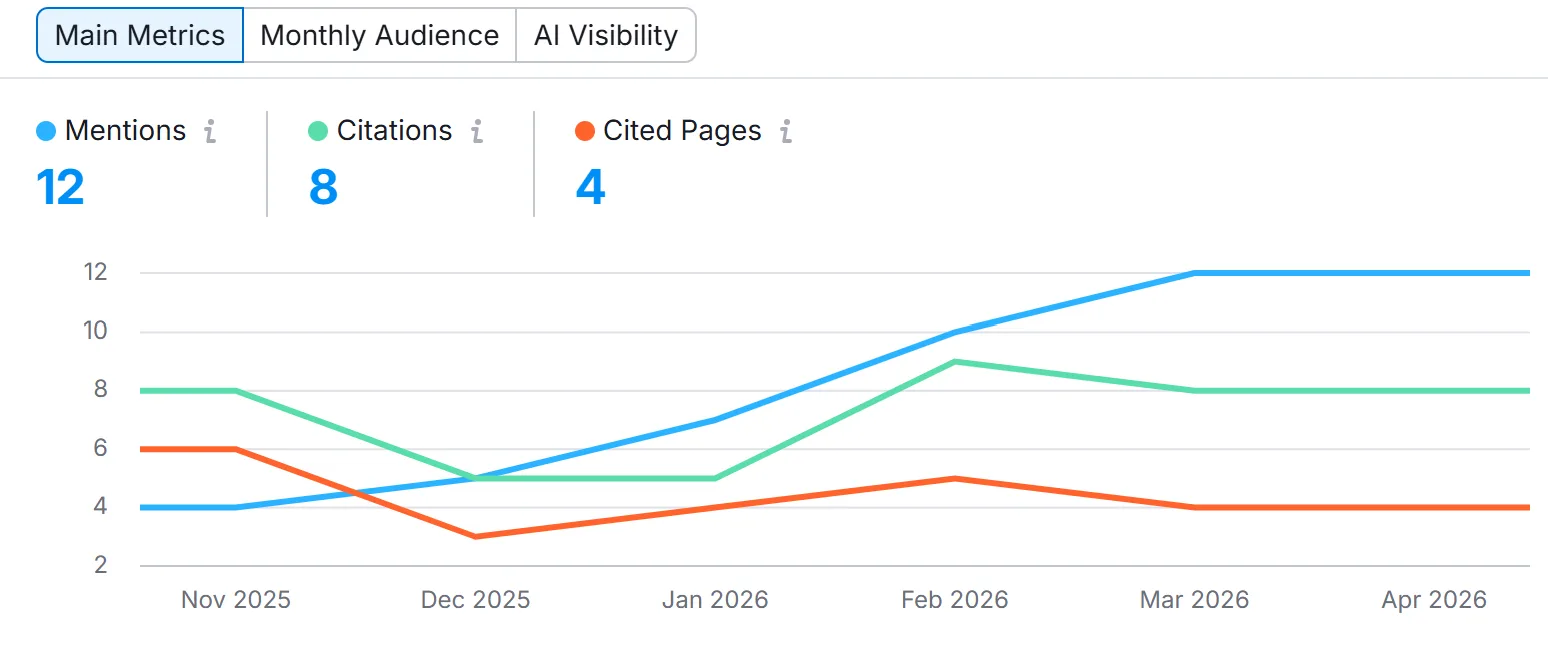
The case study below measures AI search visibility for a plumbing client. That sits in the research lane, where people read answers before choosing who to call. It isn't a count of calls, which is why calls and forms are tracked separately in every engagement.
Questions we get asked
What is plumbing SEO?
Plumbing SEO is the work of helping search engines understand a plumber's website and profile, so the business shows up when nearby people search for the jobs it does. Google's SEO starter guide describes SEO the same way and says there are no secrets that automatically rank a site first. For a plumber that means service pages, suburb pages worth reading, an accurate Business Profile and reviews.
Can you get me more emergency call-outs?
Emergency call-outs come from Google Maps and call ads, so we point your Google Business Profile, your reviews and a call campaign at the urgent searches in your service area. Those searches happen on a phone, often outside business hours, and the caller rarely scrolls past the first few Maps results. Emergency callers also pick the plumber with recent, detailed reviews.
I'm flat out with small jobs. Can you bring in bigger ones?
We can weight the system toward the bigger jobs you want. Suburb pages and ads for hot water systems or renovations are aimed at shifting the mix toward higher-value jobs. That planned work gets researched over days or weeks, with people comparing a few plumbers, reading reviews and looking at photos before they fill in a quote form.
Do I need a new website for this to work?
A new website isn't always needed for plumbing marketing to work. Sometimes the fastest wins come from your Google profile and a handful of suburb pages on the site you already have, so a blocked drain search with a suburb attached can land on you instead of a directory. We'll tell you straight if the site itself is holding you back.
How will I know the marketing is working?
Call tracking shows whether the marketing is working by tying each enquiry to its source. Every lead is traced back to the page or ad that produced it, so you can see which suburbs and services make the phone ring. Calls, form fills and the suburbs they came from sit in plain reporting (our call tracking guide shows how they're matched up), and we work month to month with no lock-in contract while you watch.
How much does SEO cost for a plumber in Australia?
There's no single price, because the cost follows the work. The main drivers are how many services need pages, how many suburbs you genuinely cover, how competitive those searches are locally, whether Google Ads management is included, and how much needs fixing on your current site and profile. Ad spend is paid to Google separately. Our guide on comparing marketing proposals helps you line quotes up fairly.
What are some effective marketing ideas for plumbers?
The ideas that pay off for plumbers tend to be the plain ones. Keep your Business Profile hours and categories accurate, ask every customer for a review, give each main service its own page, run call ads only in hours you answer, and track every call to its source. After that, photos of real jobs, guides that answer common questions and servicing reminders for past customers all add up.
How long does SEO take for a plumbing business?
It varies, and anyone quoting a fixed number of weeks is guessing. Fixes to your Business Profile and a steady review routine tend to show up sooner, because they change what Google already knows about you. New service and suburb pages take longer, since they have to be crawled, indexed and then earn a place against established competitors. Our guide on how long local SEO takes goes further.
Keep exploring

Want the phones ringing?
Tell us your suburb and your trade. We'll show you which searches and suburbs we'd target first.